IPPE Booth Displays for Processing and Feed Exhibitors
Atlanta Shows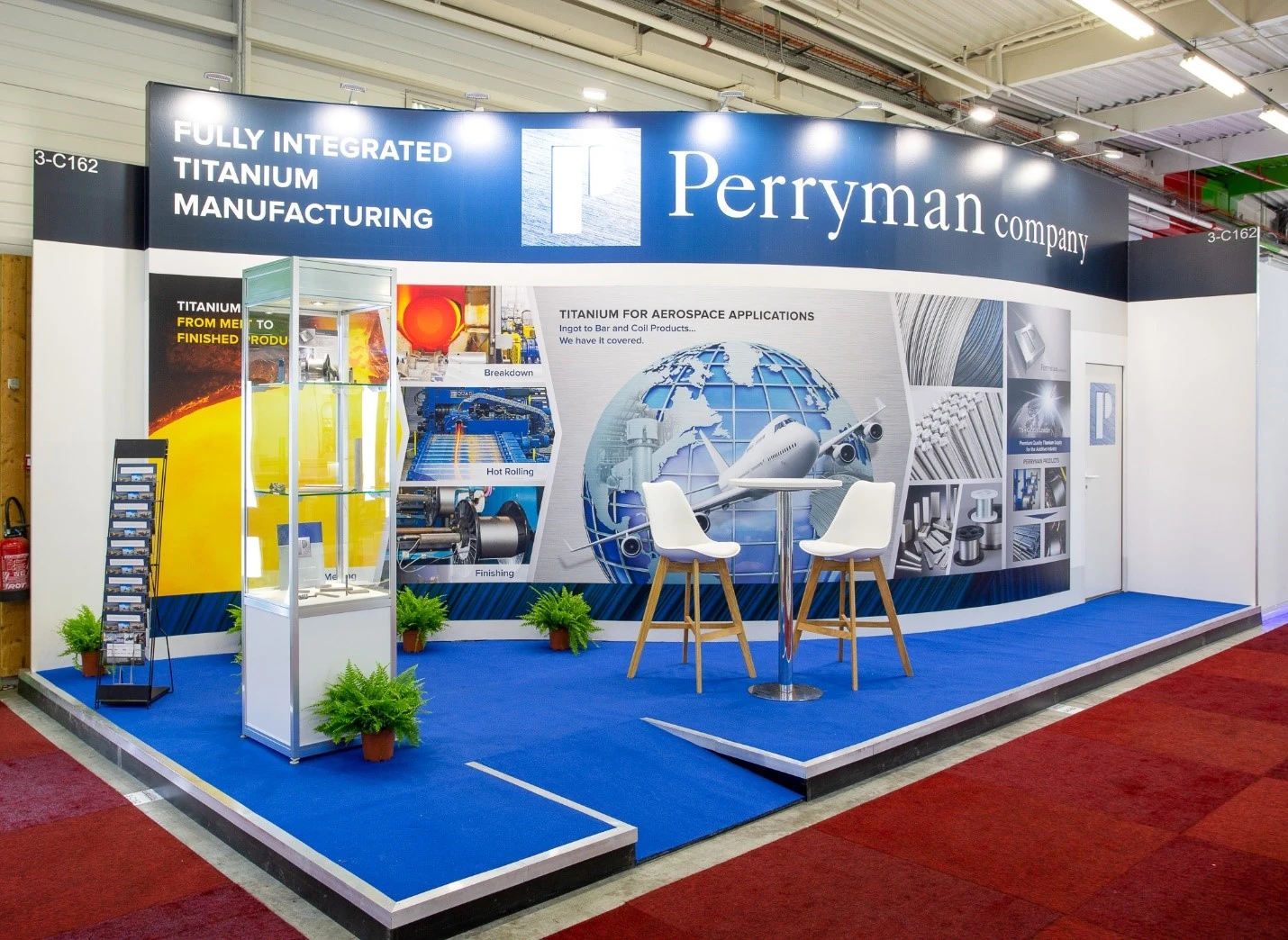
Displays for processing, packaging and feed exhibitors at IPPE: stainless line sections, hygiene-minded finishes, sample displays and a planned install.
Processing equipment buyers look at stainless steel, welds, belts and wash-down access. Feed and animal health buyers look at product, packaging and data. A booth at the International Production and Processing Expo, IPPE for short, has to show equipment in a way that suggests a clean plant floor, or show product in a way that suggests a farm or a mill.
For a processing equipment maker we might lay out a 20 by 40 space with a stainless conveyor and weighing section set at the center on a light gray floor that reads like a plant, an inline backwall behind it with a large photograph of a processing line, a monitor showing the equipment running at full speed and a meeting area at one end. For feed and ingredient suppliers, a smaller 10 by 20 with a sample shelf of bagged product and a data screen works well.
Equipment on display
Your processing machines come in crates, and the contractor's handling team lands them on their marks while your own technicians level and connect them. We plan the booth with each piece's footprint, weight and power needs marked on the floor plan, and leave clear space around each machine so buyers can look at access panels and welds. Before any booth walls are drawn, we copy the machine limits from the exhibitor manual and the building's rules onto the floor plan: floor load, height, guarding for moving parts, and the water and air hookups.
- Equipment sits on a floor surface in a light, clean color that suggests a plant.
- A low rail marks the clear zone around any equipment that runs.
- Access panels face the aisle so buyers can see inside.
- Spec cards sit on stands at each piece.
Finishes that look like a plant
Processing buyers notice finishes. We recommend counters with stainless or white solid surface tops, a floor in light gray vinyl or sealed carpet tile and graphics with a clean white or gray background. Plants are bright, so booth lighting is cool and even, not warm and dramatic. The effect is a booth that looks like it could be hosed down.
We choose that gray floor surface through our flooring, furniture and fixture planning work.
Feed and ingredient displays
Feed, ingredient and animal health suppliers usually show bagged product, samples in clear containers and data on performance. We build shelf displays for bags, stacked in a way that shows the packaging, and clear acrylic cases for loose samples. A monitor or tablet shows trial results or nutrition data. Sample bags or scoops for visitors sit in a counter cabinet. Exhibitors with a smaller space can start from one of our portable display systems instead.
What to send us
Send the space size and booth number, then the equipment list with each machine's footprint, weight, height and utilities: power, water, compressed air and drains. Tell us which machines will run, which will sit still and which need their panels open. Feed and ingredient suppliers should list the bags, containers and data screens they plan to show. Include the crate dimensions, how and when each machine ships, how many people will staff the space and your logo files, and from that we produce the layout and the part list ahead of the print order.
Artwork and the plant image
A large photograph of a working line, a farm or a mill sets the scene for buyers. We print it on fabric across the backwall, with the company name above and a short statement about what the equipment or product does. Spec cards at each machine carry the model, capacity and key features. The plant photograph and the panel art are released to the printer weeks ahead of move-in, once you approve the proof. Our print partners or your own print shop produce the panels, and we write the specs and check the panels in when they arrive.
Where each graphic lands on the backwall is settled during trade show booth design, before anything is printed.
Move-in and commissioning
Equipment goes first. The material handling crew places crates, your technicians uncrate and position each machine, and the floor is laid around it. Once the machines are set, the install crew raises the backwall, places the counters and the meeting area, and wires the lights and the monitor. Power, water and air are connected to the equipment through the show's providers. Your technicians commission each machine and run a test cycle. Your lead and the install crew chief then inspect the finished space together before opening.
Each step of that build is laid out on our installation and dismantle page.
Teardown and outbound
When the show closes, the graphics come off and the backwall, counters and meeting area are taken apart before anything else, which opens room around the machines for the handling crew. Your technicians disconnect and prepare each machine for crating. The material handling crew brings crates back and loads them. While the machines are being crated, we tally the display cases and tag each one for its trip home or into storage.
Stainless counters and spec stands get a wipe and a protective wrap before they go into cases, so scratches and fingerprints do not build up from show to show. Sample bags and containers that will not travel home are set aside for your team to decide on.
Questions Exhibitors Ask
Who places the processing equipment?
The show's material handling crew moves crates, and your technicians uncrate and position the equipment. We build the display around it.
Can the floor look like a plant floor?
Yes. Light gray vinyl or sealed carpet tile in a neutral color gives the booth the look of a clean plant.
Can a feed supplier and an equipment maker share a layout approach?
The structure is similar, a backwall, counters and a meeting area, but the floor and finishes change. Equipment booths lean toward a plant look with light flooring and stainless, while feed and ingredient booths can use warmer graphics of farms and mills with shelf displays for bagged product.
What should we send first?
We need the space dimensions and layout, each machine's footprint, weight and utility needs, any samples you plan to show and your logo and brand files.
Send the show, venue and booth details
Call (404) 963-0416 or send the show, the hall and your booth number and we will plan the display, the install and the teardown.